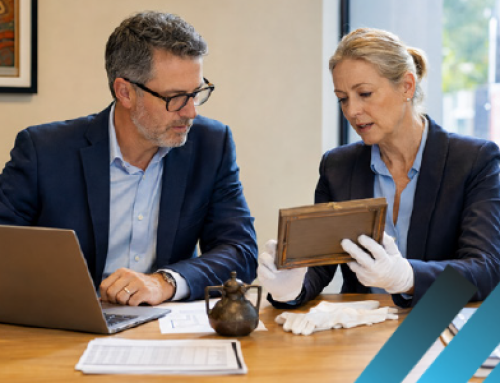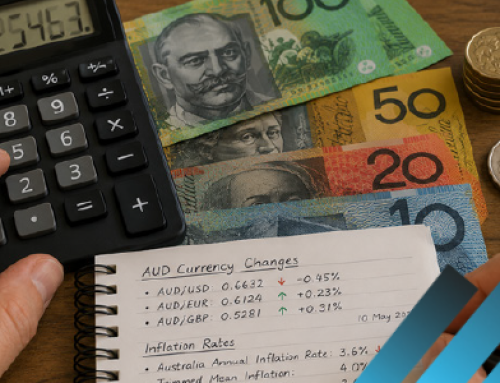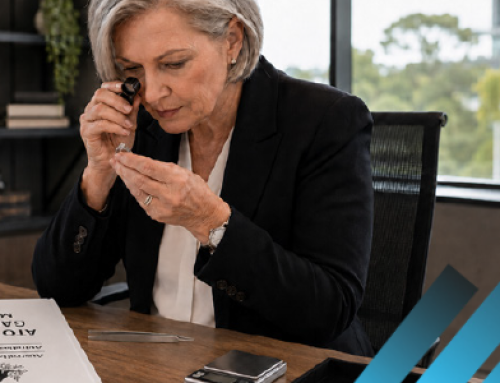
Something is shifting in the art market, not in spectacle but in substance, as valuers and auctioneers meet and quietly reassess how authority, judgement and responsibility are exercised in a landscape defined by complexity and scrutiny.
Across the sector, there is a growing sense that established ways of working are being tested by forces that demand a more deliberate, more informed approach. The change is not abrupt. It is unfolding through conversations that go deeper than process, touching on how professional valuers of artworks interpret their obligations to clients, artists and the market itself. In this environment, expertise is no longer assumed. It is demonstrated through the quality of judgement and the ability to navigate competing considerations with clarity.
A clear example of this evolution is the increasing weight of artists’ rights in valuation and sale activity. Copyright, moral rights and resale royalty frameworks are no longer treated as peripheral technicalities. They are shaping how works are researched, described and presented. Valuers are approaching provenance and attribution with greater legal awareness, while auctioneers are more attuned to how their processes interact with artists’ ongoing interests. This is not simply about compliance. It reflects a broader shift toward embedding legal understanding into everyday professional thinking.
At the same time, risk and compliance in art transactions are being reconsidered with sharper focus. Issues such as title, authenticity and documentation remain central, yet the expectations around them have intensified. Higher value transactions, more sophisticated clients and increased regulatory attention are raising the bar. Privacy, consumer law and disclosure obligations are now integral to how work is conducted. In response, professionals are refining due diligence practices, aiming for approaches that are not only thorough but also capable of withstanding scrutiny.
These developments are also reshaping how galleries, valuers and auctioneers engage with one another. The relationships have always been interconnected, though not always clearly articulated. There is now a more conscious effort to understand where collaboration strengthens outcomes and where independence must be preserved. The tension between these roles is not being eliminated, but it is being acknowledged and managed with greater transparency, reinforcing confidence in the integrity of transactions.
What is striking is the immediacy of these discussions. They are not theoretical. They are influencing decisions being made today, challenging long held assumptions and prompting a more considered approach to practice. For those engaged in these conversations, there is a sense of momentum. For those observing from a distance, there is a growing awareness that the profession is moving forward.
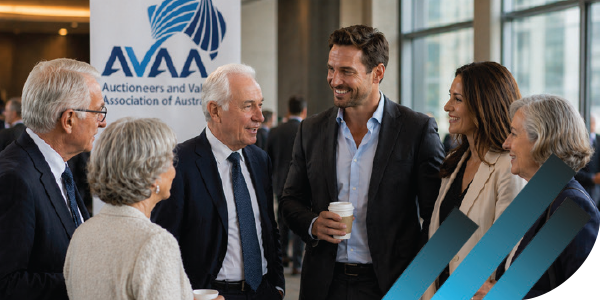
These are the issues being worked through at the AVC26 Conference being held over 7-8 May 2026 on the Gold Coast. It’s a chance for you to be part of the conversations with those actively shaping the sector’s future through shared insight and practical debate. It is a conversation best experienced firsthand, and one that those serious about the direction of the art market should not miss.
.
.
.
Interested In Finding Out More?
If you’re interested in the AVC26 Conference, send an email to avc26.conference@avaa.com.au or telephone 1300 928 165. You can also stay up to date by following AVAA on LinkedIn, X/Twitter and Facebook.
.