

So You Want To Become A
Certified Plant & Machinery Valuer …
.
Plant and machinery valuers determine the market value of industrial equipment, machinery and operational assets across a wide range of sectors. Their work supports asset finance, insurance, insolvency, business transactions and taxation matters where reliable valuation is required.
A professional valuation involves inspecting the plant or equipment and analysing factors such as condition, age, utilisation, maintenance history and operational capability. These factors are considered alongside comparable sales, market demand and industry conditions to determine a credible and supportable value.
Typical Tasks —
• Inspect machinery and equipment and record condition.
• Review service, maintenance and usage history.
• Assess operational performance and remaining economic life.
• Analyse comparable sales and market data.
• Prepare detailed valuation reports.
• Provide advice to financiers, insurers, insolvency practitioners and clients.
Where Do Vehicle Valuers Work —
Plant and machinery valuers work across sectors such as construction, mining, agriculture, transport, manufacturing and heavy industry. Many provide services to banks, asset finance providers, insolvency practitioners and insurers. Others operate as independent consultants supporting businesses, legal professionals and private clients. Inspections may occur at industrial sites, workshops, depots, auction yards or remote locations depending on where assets are situated.
Skills And Personal Qualities —
Plant and machinery valuers require strong analytical capability and sound technical judgement. The role involves assessing condition, functionality, wear, maintenance practices and utilisation, while understanding how these factors influence value in dynamic industrial markets. Attention to detail, practical awareness and the ability to form defensible conclusions are essential.
Knowledge And Training —
Many plant and machinery valuers begin their careers in engineering, trades, construction, agriculture or asset management roles. Practical experience with equipment and machinery is highly valued.
Industry education such as the AVAA Foundation Course in Valuing Goods, Chattels, Plant and Equipment introduces inspection techniques, market analysis and professional valuation reporting.
Professional Tools Of The Profession —
Plant and machinery valuers use inspection checklists, technical specifications, utilisation data, maintenance records and market databases to assess assets and prepare professional valuation reports.
Professional Standards —
The AVAA Certified Valuer (CVAu) credential represents a recognised benchmark demonstrating that a valuer operates according to professional standards.
Why Professional Vehicle Valuers Matter —
Accurate valuations of plant and machinery underpin major financial, legal and operational decisions. Professional valuers provide independent, evidence-based assessments that give confidence to lenders, insurers, businesses and regulators.
Take The Next Step —
The first step in your path towards certification is AVAA Associate Membership that allows you to undertake the courses, professional development and practical experience to set you on your way. To get started click here.
…

Interested In Finding Out More?
For further information AVAA’s careers guidance, please send an email to careers@avaa.com.au or telephone 1300 928 165. You can also stay up to date by following AVAA on LinkedIn, X/Twitter and Facebook.

.
— Career Information
◾AVAA Careers Home
◾Auctioneer
◾Antiques Valuer
◾Artwork Valuer
◾Jewellery Valuer
◾Vehicle Valuer
◾AVAA Jobs Board
.



Australian Valuation News Updates

Are You Ready For The Cheque Extinction?
Emma Barnes2026-10-06T06:22:43+11:00October 3rd, 2026|
Australia’s cheque system is being shut down, with a coming ban on issuing new cheques and banks being unable to accept them. For valuers and auctioneers, that means more than simply removing cheques as [...]
Reputation, Certification And Today’s Valuer
Emma Barnes2026-10-06T06:24:36+11:00October 1st, 2026|
How clients choose a professional valuer in Australia is changing, with reputation and experience increasingly valued less than certification and evidence that valuation work meets recognised national professional standards. For many established valuers, this shift [...]
Specialising In Valuing Sporting Memorabilia
Emma Barnes2026-09-30T10:19:01+10:00September 30th, 2026|
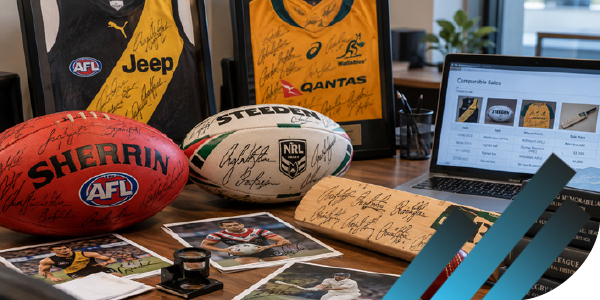
Valuing sporting memorabilia presents some interesting challenges for professional valuers because much of the value often sits in the story surrounding the object rather than the object itself. A football jumper, cricket bat, medal [...]