Australian valuers have a new standard that recognises that artificial intelligence (AI) technologies are rapidly becoming part of the professional toolkit used by valuers, while making clear that technological innovation must be accompanied by professional accountability, transparency, and appropriate safeguards.
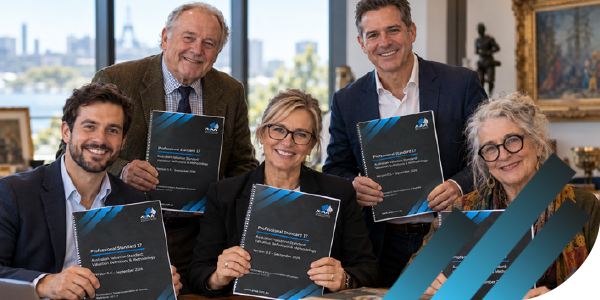
The Auctioneers and Valuers Association of Australia (AVAA) has published AVAA Professional Standard 8 – Artificial Intelligence in the Preparation of Valuation Reports, establishing a comprehensive professional framework for the responsible use of artificial intelligence in valuation practice. It is part of the AVAA Professional Standards series that establishes clear expectations for professional conduct, competence, accountability, and risk management. Together, they provide a practical framework that supports consistent professional practice, strengthens consumer confidence, and reinforces the credibility of valuation services delivered by AVAA members.
Importantly, the Standard applies across the broad range of asset classes valued by AVAA Certified Valuers (CVAu). This includes fine art, antiques, collectables, jewellery, watches, luxury goods, motor vehicles, classic cars, machinery and equipment, business assets, livestock and horses, wine collections, sporting memorabilia, trading cards, coins and banknotes, books and manuscripts, firearms collections, industrial assets, agricultural equipment, and deceased estate assets. As artificial intelligence becomes more widely used throughout the valuation profession, the Standard provides a consistent framework regardless of the type of asset being assessed.
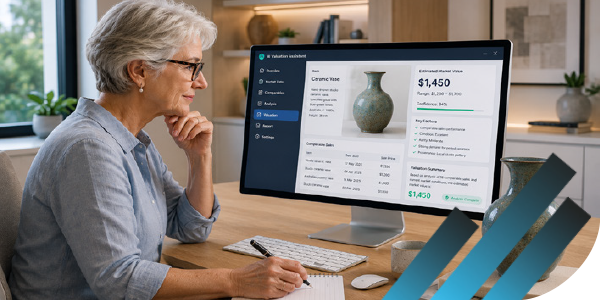
The new AVAA Professional Standard 8 acknowledges that artificial intelligence can assist valuers in many aspects of a valuation engagement. These include collecting and organising market information, analysing transaction data and comparable sales, reviewing online listings and databases, interpreting images and unstructured information, identifying market trends, undertaking statistical analysis, supporting predictive modelling, and assisting with the drafting of valuation reports. The Standard recognises that these technologies can improve efficiency and help valuers manage increasingly complex information environments.
The new Standard makes clear that the use of artificial intelligence does not reduce or transfer the professional responsibilities of the valuer. Regardless of the technology used, the valuer remains fully responsible for the analysis, opinions, conclusions, and valuation outcomes contained within the report.
Artificial intelligence cannot replace professional judgement, valuation expertise, critical reasoning, or the independent assessment of evidence. Every valuation conclusion must continue to be derived from the valuer’s own professional evaluation of the available information.
A significant focus of the Standard is the verification of information and professional oversight of AI-assisted processes. Where artificial intelligence is used to assist with research, modelling, analysis, or report preparation, valuers must ensure that the underlying information is credible, relevant, and appropriate for the valuation engagement. Valuers are expected to understand the methodologies being applied, assess the reliability of inputs, critically review outputs, and independently determine whether the results are reasonable and supportable. AI-generated information cannot simply be accepted without review.
The preparation of valuation reports receives particular attention. While artificial intelligence may assist with drafting and administrative tasks, valuers must review, verify, and approve all report content before it is issued. The Standard specifically prohibits reliance on unsupported, inaccurate, generic, misleading, or unverified content generated through AI systems. It also makes clear that artificial intelligence must not be used to produce valuation conclusions without independent professional analysis by the valuer.
Transparency is another important feature of the framework. Where artificial intelligence has materially assisted in the preparation of a valuation report, valuers are encouraged to disclose that use. Material assistance may include market research, data collection, analysis, modelling, interpretation of information, drafting report sections, or generating valuation commentary. Routine productivity functions such as spelling correction, transcription, formatting assistance, and note-taking generally do not require disclosure.
The Standard also addresses one of the most significant emerging risks associated with artificial intelligence: confidentiality and data security. Valuers must take reasonable steps to ensure that confidential client information, commercially sensitive material, and client-identifiable data are not entered into publicly accessible AI systems where the security arrangements or the future use of the information cannot be assured. The Standard encourages the use of secure enterprise platforms that provide appropriate contractual protections, confidentiality safeguards, and robust data governance controls.
For clients, insurers, financiers, courts, government agencies, and others who rely upon valuation advice, AVAA Professional Standard 8 provides confidence that artificial intelligence is being used within a disciplined professional framework. For those seeking a professional valuer, the AVAA Certified Valuers (CVAu) credential provides visible assurance that the valuer operates in accordance with recognised professional standards, including standards governing the responsible use of artificial intelligence. As technology continues to reshape valuation practice, recognised professional standards and professional credentials will become increasingly important indicators of competence, accountability, and trust.
.
Interested In Finding Out More?
If you’re interested in AVAA Professional Standard 8, send an email to standards@avaa.com.au or telephone 1300 928 165. You can also stay up to date by following AVAA on LinkedIn, X/Twitter and Facebook.
.