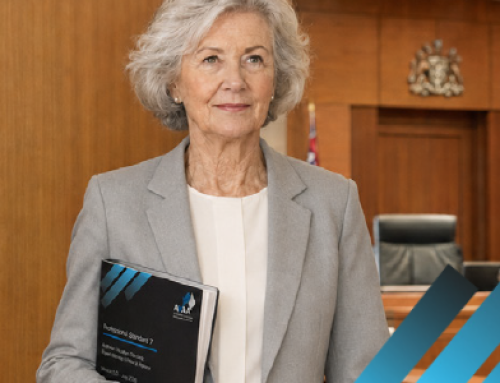

When questions arise about a valuation or auction, reliable records can make the difference between confusion and a fair, timely resolution. There are two industry standards used by valuers and auctioneers that work together to ensure complaints are considered through a clear process supported by evidence, strengthening accountability, client confidence and trust in professional practice.
Complaints are an occasional reality in professional practice. A client may question how a valuation was determined, whether instructions were followed, how an auction was conducted or why an item achieved a particular result. Resolving such concerns depends on two things, these being a fair process and reliable evidence.
One relevant industry standard is AVAA Professional Standard 10 – Customer Complaints Handling, which establishes the process for receiving, assessing and resolving complaints. Allied to this is AVAA Professional Standard 11 – Record Keeping & Information Management, which requires practitioners to maintain the records needed to explain the services provided and the decisions made.
The two AVAA Professional Standards have a symbiotic relationship. Where AVAA Professional Standard 10 provides the structure for considering a complaint, AVAA Professional Standard 11 provides the documentary foundation on which that consideration is based.
For valuers, the professional record may include instructions, engagement terms, inspection notes, photographs, research, comparable evidence, calculations, assumptions, correspondence and the final valuation report. An auctioneer’s records may include the agency agreement, reserve instructions, lot descriptions, condition information, marketing approvals, bidding records, financial records and communications with vendors and purchasers.
A Framework For Proper Record Keeping —
The guidance is clear, with AVAA Professional Standard 10 establishing a fair, transparent and timely process for handling customer complaints. Complaints should be made in writing, acknowledged and assessed objectively against the engagement terms, available information, professional standards and relevant obligations. Clear communication, procedural fairness and properly documented outcomes protect the interests of clients and practitioners while supporting accountability, appropriate resolution and public confidence in professional valuation and auction services throughout every engagement.
Helpfully, AVAA Professional Standard 11 recognises that record-keeping systems will vary according to the size and nature of a practice. Records may be physical, electronic, cloud-based or managed through automated systems. Whatever the format, they should be accurate, organised, secure, accessible and sufficient to explain the professional work undertaken.
Records should also be retained for an appropriate period, having regard to legislation, insurance requirements, taxation obligations and relevant limitation periods.
When a written complaint is received, AVAA Professional Standard 10 provides a framework for assessing the issues objectively and in good faith. This includes considering the original instructions, engagement terms, information available at the time, applicable professional standards and the circumstances surrounding the engagement.
A Robust Process For Managing Complaints —
A key standard is AVAA Professional Standard 11, which requires valuers, auctioneers and corporate members to create, protect and retain records that explain the instructions received, services provided and professional decisions made. Records should be accurate, organised, secure and retrievable. They may include engagement documents, reports, working papers, photographs, communications, financial information and complaint records, providing an enduring and reliable account of each professional engagement for clients, practitioners, insurers and regulators when required.
Well-maintained records allow the practitioner to reconstruct events accurately. They can confirm what instructions were given, identify what information was available and explain why a particular decision or professional conclusion was reached.
They may support the work undertaken or reveal a factual error, misunderstanding or process requiring attention. In either situation, the complaint can be addressed using evidence rather than memory or assumption.
Good records also support procedural fairness. Clients receive a response grounded in the documented circumstances, while practitioners have a proper opportunity to explain their work. A complaint itself does not establish negligence, misconduct, liability or a breach of professional standards.
Clients engaging an AVAA Certified Valuer (CVAu), AVAA Certified Auctioneer (CAAu) or AVAA Corporate Member can expect the practitioner or business to apply AVAA Professional Standard 10 and AVAA Professional Standard 11. These Standards provide confidence that professional work will be documented appropriately and that any complaint will be considered through a fair, transparent and accountable process.
Good record keeping is more than an administrative task. It protects the integrity of the engagement, assists complaints handling and strengthens trust between practitioners, clients and the wider community. The framework provided by the AVAA Professional Standards is why clients trust certified valuers and certified auctioneers.
.
.
Interested In Finding Out More?
If you’d like more information on the AVAA Professional Standards, send an email to standards@avaa.com.au or telephone 1300 928 165. You can also stay up to date by following AVAA on LinkedIn, X/Twitter and Facebook.
.