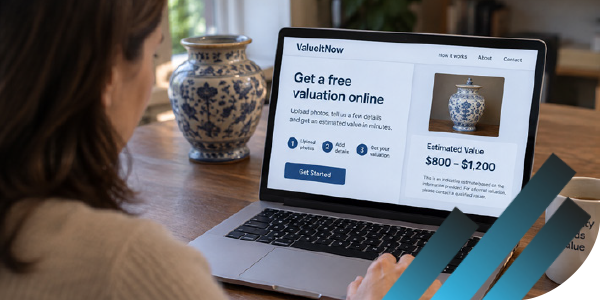
Upload a photograph, enter a few details and receive a “valuation” of your artwork, antique, collectable or memorabilia for free. It sounds convenient, and if you are simply curious about an object, it may be useful. But if you need a figure that someone else will rely upon, there is a significant difference between an online estimate and a professional valuation prepared by an AVAA Certified Valuer (CVAu).
Free online valuations are often designed to provide an indication of what an item might be worth. They can help someone decide whether an object deserves further investigation or whether they might want to sell it. That is very different from preparing a valuation for insurance, taxation, probate, family law, financial or other purposes where the figure may have real consequences.
The value of antiques, artwork, collectables and memorabilia can turn on details that are difficult to establish from photographs alone. Condition, restoration, materials, construction, dimensions, signatures, markings, provenance, rarity and authenticity can all materially affect value. Two objects that appear almost identical on a screen can have very different values once properly examined and researched. A professional valuation therefore involves considerably more than identifying an object and searching for similar items online.
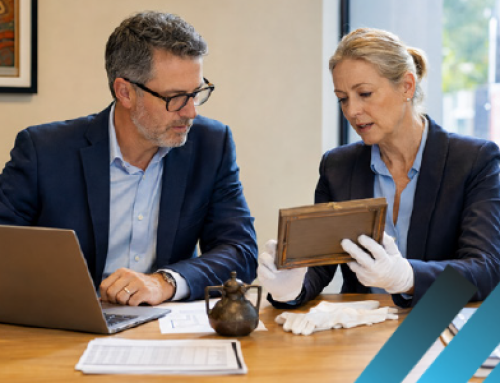
The valuer needs to understand the purpose of the assignment, establish the relevant valuation date and determine the appropriate basis of value. They identify and describe the asset, assess its relevant characteristics, research the appropriate market and analyse comparable transactions. Those comparable sales also need professional interpretation. Differences in condition, quality, provenance, age, rarity and market circumstances can make a superficially similar sale a poor indicator of value.
A professional valuation report then documents that work. It explains what was valued, the purpose and basis of the valuation, the evidence considered, the methodology applied, relevant assumptions and limitations, and the valuer’s reasoned conclusion. That is where the CVAu credential becomes particularly important.
If you need a figure that will be relied upon by an insurer, accountant, solicitor, executor, government agency, court, financial institution or another third party, choosing an AVAA Certified Valuer (CVAu) provides an important professional benchmark and you’ll get a professional valuation report.
What’s In A Professional Valuation Report?
The national industry benchmark for reports is AVAA Professional Standard 6 – Minimum valuation report requirements, which establishes minimum requirements for professional valuation reports. It requires clear identification of the asset, client, purpose, valuation date and basis of value, supported by appropriate methodology, market evidence, assumptions, limitations and a reasoned conclusion. For clients, AVAA Professional Standard 6 provides confidence that a valuation is more than a number, it is a documented professional opinion supported by evidence and capable of being understood by those relying upon it.
Certified valuers with the respected CVAu credential have demonstrated substantial valuation experience and competency, are required to hold appropriate professional indemnity insurance, undertake continuing professional development and work within AVAA’s Professional Standards framework. Their work is therefore about much more than producing a number. It is about producing an informed opinion in a professional valuation report that’s capable of being explained and supported.
Who Can Call Themselves A Certified Valuer?
When a valuation will be relied upon for insurance, taxation, probate, legal or other significant financial purposes, look for an AVAA Certified Valuer (CVAu). Professionals with the respected CVAu credential have demonstrated substantial professional experience and competency and must meet AVAA requirements for professional indemnity insurance, continuing professional development and Professional Standards. The credential provides an important benchmark when you need more than an estimate and want a professional valuation capable of supporting the figure provided.
This matters for insurance. An informal online estimate may suggest what an item is worth, while a professional valuation provides documented information about the asset and the basis for determining its value.
Taxation matters can require even greater rigour. The valuation date, definition of value, methodology, and supporting market evidence can all matter if the figure is later examined or challenged.
Professional valuation can also be undertaken remotely in appropriate circumstances. Technology, photographs, video and specialist databases are increasingly part of modern valuation practice. The key distinction is whether sufficient evidence is available, limitations are properly identified and a professional report appropriate to the intended purpose is provided.
So enjoy a free online valuation for what it can provide, this being an interesting indication or useful starting point but certainly not something that you can use for insurance, legal or taxation matters.
When you need a valuation that matters, look for more than a number, look for a AVAA Certified Valuer (CVAu).
.
.
Interested In Finding Out More?
If you’d like more information on this issue, send an email to standards@avaa.com.au or telephone 1300 928 165. You can also stay up to date by following AVAA on LinkedIn, X/Twitter and Facebook.
.