
Expert valuation evidence can influence the outcome of litigation, tribunal proceedings, arbitration, mediation and regulatory action. It may determine how assets are divided, losses quantified, taxation matters resolved or competing claims assessed. With so much depending on a valuer’s opinion, technical knowledge alone is insufficient. The evidence must also be independent, transparent and capable of withstanding professional and judicial scrutiny.
Published by the Auctioneers and Valuers Association of Australia (AVAA) with the great input of certified valuers, AVAA Professional Standard 7 – Expert Witness & Tribunal Practice, establishes a clear industry benchmark for AVAA Certified Valuers acting in these demanding engagements. Approved in July 2026, this AVAA Professional Standard strengthens the professional framework surrounding expert valuation evidence and provides courts, tribunals, lawyers and clients with greater confidence in the practitioners they engage.
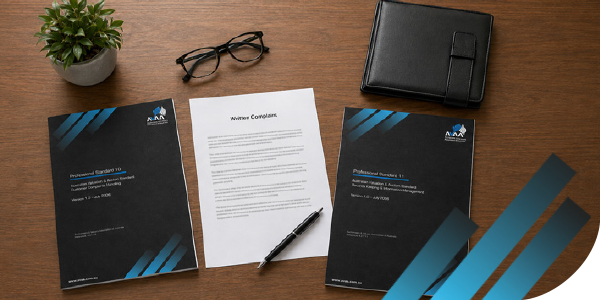
Importantly, AVAA Professional Standard 7 operates alongside AVAA Professional Standard 6 – Minimum Valuation Report Requirements. The second standard establishes the essential foundation for the valuation report being used as evidence, including requirements relating to the instructions, purpose, basis of value, methodology, market evidence, assumptions, limitations and supporting reasoning. With the professional valuation report as the basis, AVAA Professional Standard 7 then adds the specialised obligations that arise when that valuation is prepared, presented or relied upon as expert evidence.
What The Professional Standard Requires —
AVAA Certified Valuers acting as expert witnesses must provide independent, impartial and properly founded evidence within their genuine expertise. They must disclose conflicts and limitations, explain facts, assumptions, methodologies and conclusions, retain supporting records and comply with relevant procedural requirements. PS7 complements PS6, which provides the foundation for a comprehensive, transparent and supportable valuation report capable of being used as expert evidence in proceedings.
Together, the two AVAA Professional Standard create a strong and coherent framework. First, AVAA Professional Standard 6 helps ensure the valuation itself is comprehensive, transparent and supportable. Then, AVAA Professional Standard 7 helps ensure the valuer providing it remains independent, appropriately qualified and conscious of their overriding responsibility to the court or tribunal.
At the heart of AVAA Professional Standard 7 is a defining principle: an expert witness’s primary duty is to the court, tribunal or decision-making body, rather than the party paying for the engagement. A valuer with the respected CVAu credential must exercise independent professional judgement and provide an objective, impartial and properly founded opinion. The expert’s role is to assist the decision-maker to understand a matter requiring specialised knowledge, rather than advocate for a preferred outcome.
This distinction matters. A valuation expert may receive instructions from a lawyer, insurer, business or individual, but those instructions cannot determine the conclusion. Client expectations, commercial interests, litigation strategy, external pressure or contingent remuneration must never improperly influence the evidence.
The Standard also requires valuers to remain firmly within their genuine expertise. A valuer must possess the qualifications, training, knowledge, skill and practical experience relevant to the specific asset and issues in dispute. General familiarity or limited exposure is insufficient, and any limitation must be identified clearly.
Expert reports must explain the issues addressed, assumptions relied upon, material facts considered, methodology adopted, limitations affecting the opinion and basis for the conclusions reached. Facts, assumptions and professional opinions must be distinguishable. Where information is incomplete or an opinion is provisional, that qualification must be disclosed.
Why Lawyers And Their Clients Should Engage A Certified Valuer —
Engaging an AVAA Certified Valuer gives lawyers and their clients confidence that both the valuation report and the expert’s conduct are governed by dedicated professional standards. PS6 supports a transparent, reasoned and properly documented valuation, while PS7 requires independence, relevant expertise and impartial evidence. Together, these obligations help legal teams select experts whose conclusions are supportable and whose evidence is prepared to withstand careful judicial scrutiny.
For certified valuers, working within AVAA Professional Standard 7 is something of which to be proud. It demonstrates that the respected CVAu credential carries practical obligations extending well beyond technical ability. Certified Valuers operate within a professional system that defines expected conduct, supports accountability and places the integrity of expert evidence above commercial convenience.
For valuers seeking expert witness work, certification provides more than recognition. It places their practice within a nationally relevant framework designed for assignments where evidence, independence and professional judgement will be closely tested. For lawyers and decision-makers, the respected CVAu credential provides a credible way to identify valuers whose reports and professional conduct are governed by clear, complementary standards.
If you’re interested in the role of a valuer giving court evidence, don’t miss the AVAA Perspectives Webinar – Valuers as an expert witness that’s being held on 19 August 2026. You can register online today.
.
.
Interested In Finding Out More?
If you’d like more information on the AVAA Professional Standards, send an email to standards@avaa.com.au or telephone 1300 928 165. You can also stay up to date by following AVAA on LinkedIn, X/Twitter and Facebook.
.