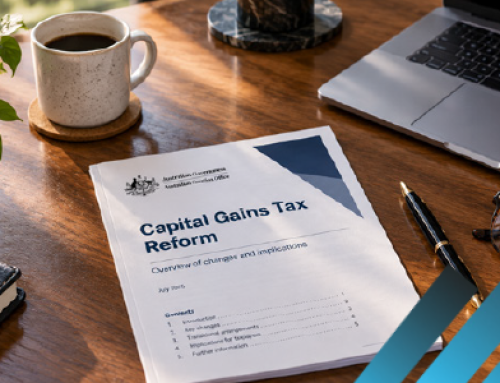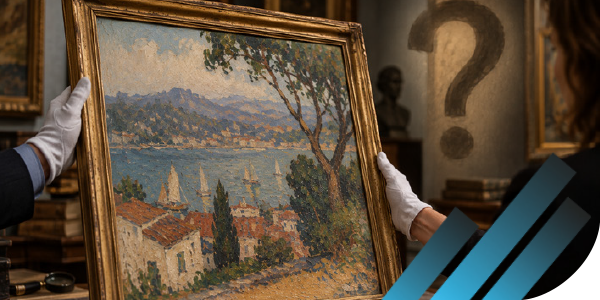
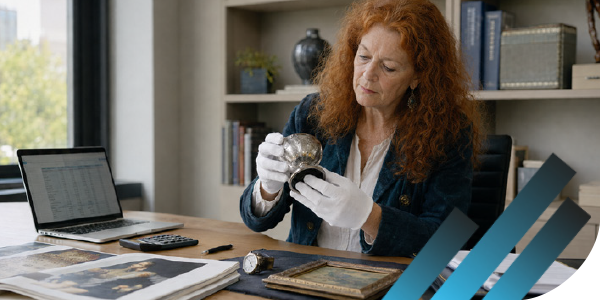
Recent changes to capital gains tax settings are placing attention on how assets are valued and how taxpayers support the figures reported in their tax returns. For taxpayers holding investment grade assets ranging from fine art and antiques, memorabilia and collectable, jewellery and luxury goods, and other high-value assets obtaining a professional valuation can be just as important as obtaining the right tax advice.
The Australian Taxation Office (ATO) makes clear that, where tax law requires an asset to be valued at market value, the valuation must be objective and supportable. An estimate drawn from an online listing, an auction result or an informal opinion may overlook differences in condition, provenance, rarity, market conditions and the valuation date. Those differences can affect both the value adopted and the resulting tax liability.
A professionally prepared valuation provides the taxpayer and their adviser with a reasoned basis for the figure used. It should identify the asset, explain the applicable basis of value, record the evidence considered, describe the methodology applied and disclose relevant assumptions or limitations. This becomes particularly important for retrospective valuations, thinly traded assets and items for which reliable historical market evidence is difficult to locate.
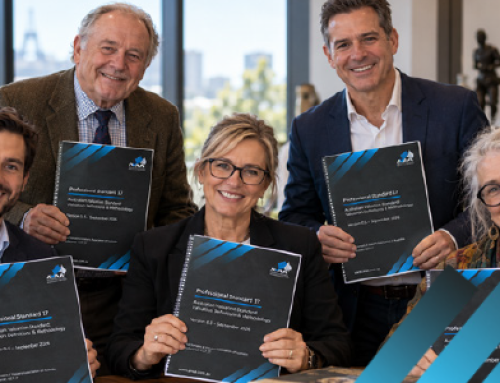
A professional valuation does more than state a figure. Prepared in accordance with the AVAA Professional Standards, it identifies the asset, explains the basis of value, documents evidence and methodology, and records assumptions and limitations. This creates a credible, transparent professional valuation report capable of supporting taxation decisions and informed professional scrutiny.
The respected AVAA Certified Valuer (CVAu) credential helps taxpayers identify valuers who have demonstrated relevant experience and professional standing. The CVAu credential holders operate within a certification framework supported by the AVAA Professional Standards. These standards address matters including minimum valuation report requirements, continuing professional development, ethical conduct and the responsible use of artificial intelligence in valuation reports.
For taxpayers, AVAA Professional Standards provides confidence that a valuation has been prepared through a disciplined process and can withstand scrutiny. Certification does not predetermine a value or guarantee that the ATO will accept every conclusion. It does, however, demonstrate that the valuer is accountable to recognised requirements concerning evidence, methodology, reporting and professional conduct.
When a tax-related valuation matters, look for a professional with the respected CVAu credential. An AVAA Certified Valuer (CVAu) has demonstrated relevant experience and professional standing and works within AVAA Professional Standards, ethics and continuing development. Choosing a certified valuer with the CVAu credential gives taxpayers and advisers greater confidence in the valuer, the process and the report.
AVAA has met with the ATO as the capital gains tax policy changes are being implemented. This engagement helps ensure that certified valuers remain informed about the direction of reform and allows AVAA to communicate the realities of valuing non-property assets. Keeping the profession in the loop supports better reports, better advice and more reliable outcomes for taxpayers.
For valuers, the reforms highlight why professional certification matters. As scrutiny of tax-related valuations increases, clients and advisers will increasingly seek practitioners who can demonstrate competence, independence and compliance with documented standards. The respected CVAu credential provides a clear way to distinguish that capability.
Taxpayers should speak with their accountant or tax adviser about when a valuation is required, then engage a suitably qualified valuer. Choosing an AVAA Certified Valuer can help ensure the valuation is credible, properly documented and fit for its intended taxation purpose.
.
.
Interested In Finding Out More?
If you’d like more information on this matter, send an email to national.office@avaa.com.au or telephone 1300 928 165. You can also stay up to date by following AVAA on LinkedIn, X/Twitter and Facebook.
.