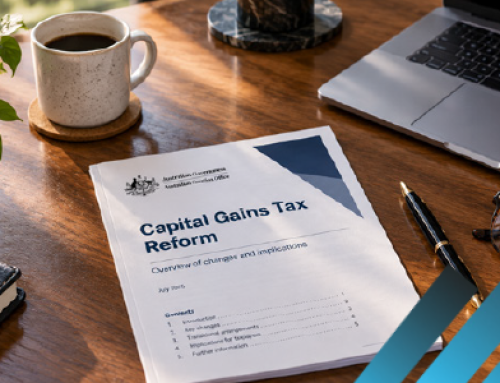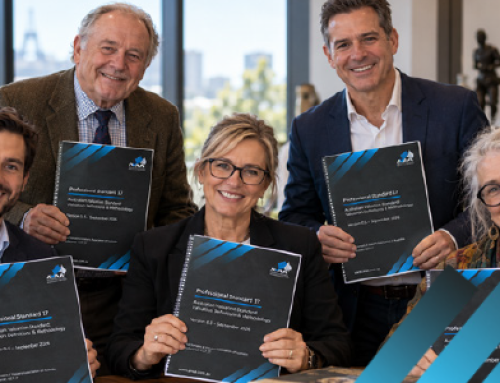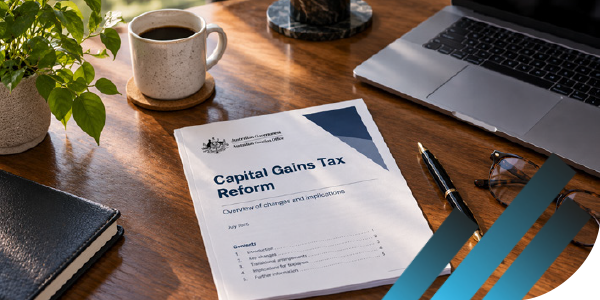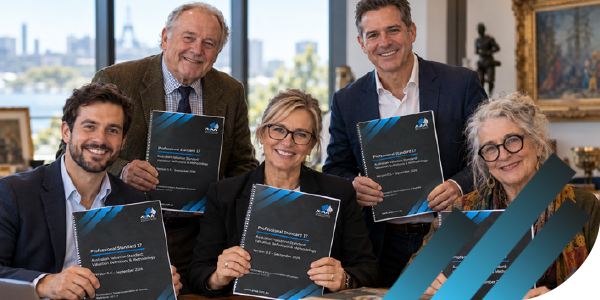

You would not ask a certified valuer for tax advice, and you should not ask an accountant to undertake a professional valuation. Capital Gains Tax (CGT) valuations are strongest when accountants and valuers combine their distinct expertise, reflecting the specialist skills and symbiotic relationship of the two professions.
Accountants and certified valuers have different skill sets, but they also complement each other. An accountant understands the client’s tax circumstances, identifies when a market valuation is required and determines the relevant valuation date. The certified valuer understands the asset, its market and the evidence needed to form an independent opinion of value. Each professional contributes something the other needs.
For the accountant, a properly prepared valuation report provides a credible figure and the supporting reasoning needed to advise the client and prepare their CGT position. For the valuer, clear instructions from the accountant help establish the purpose of the valuation, the correct valuation date and the context in which the report will be relied upon.
A professional valuation for GCT purposes has two aspects. The first is the report itself. It should identify the asset, client, purpose, valuation date, basis of value, methodology, evidence, assumptions, limitations and final opinion of value. It should also explain the valuer’s reasoning clearly enough for the accountant, taxpayer and Australian Taxation Office to understand how the conclusion was reached.
The second aspect is the work required to assess the value properly. A professional report must be supported by appropriate research, market evidence and analysis. The valuer must understand the asset, identify the characteristics that influence its value and select a methodology suited to the relevant market.
This is where the specialist asset knowledge of the certified valuer becomes critical. Different assets trade through different markets and require different skills.
The Recognised Certified Valuer Credential —
An AVAA Certified Valuer (CVAu) combines demonstrated valuation experience with specialist asset knowledge and works within national professional standards. They inspect and research assets, analyse relevant market evidence, explain the valuation methodology and clearly state assumptions and limitations. For CGT purposes, this provides accountants, advisers and taxpayers with an independent, well-reasoned valuation that can support accurate tax reporting and withstand informed scrutiny from the ATO when required.
A certified valuer specialising in fine art may consider the artist, attribution, provenance, condition, exhibition history, subject matter, medium and comparable auction results. A certified valuer specialising in jewellery valuer requires knowledge of precious metals, gemstones, grading, manufacture, condition, brand premiums and the difference between retail replacement value and secondary-market value. Some experienced certified valuers have expertise across both fields, but fine art and jewellery remain distinct disciplines. The same applies to antiques, memorabilia, collectables and investment-grade assets such as rare books, coins and stamps. Each has its own terminology, research sources, market participants and factors affecting value.
Property valuers provide important expertise in land and buildings. Their training and market experience generally differ from what’s required to value personal property. Assessing commercial premises does not provide the specialist knowledge needed to authenticate a painting, grade a rare coin, evaluate a first-edition book or understand demand within a memorabilia market.
Reliable CGT valuations also depend on relevant market evidence. Completed auction sales, verified private transactions, specialist databases and dealer-market evidence may all assist. Current asking prices can provide context, but they do not necessarily establish what informed buyers have paid. This is especially important for retrospective valuations. The valuer must reconstruct market value at an earlier date using evidence and market conditions applicable at that time.
The best CGT outcomes for taxpayers come from collaboration between accountants and certified valuers. The accountant frames the tax question and relevant date. The specialist valuer independently determines the value and documents the evidence. Together, they provide the taxpayer with advice that is technically informed, clearly supported and capable of withstanding scrutiny.
.
.
Interested In Finding Out More?
If you’d like more information on this issue, send an email to standards@avaa.com.au or telephone 1300 928 165. You can also stay up to date by following AVAA on LinkedIn, X/Twitter and Facebook.
.