Art valuation is often viewed as an extension of art history, connoisseurship or collecting. While these disciplines are fundamental to understanding artworks, they represent only part of the expertise required to produce a professional valuation that can withstand scrutiny from clients, insurers, solicitors, accountants, government agencies and the courts.
The work of an art valuer demands far more than identifying an artist, recognising a period or assessing condition. It requires the ability to apply recognised valuation methodology, analyse markets, interpret evidence, define the appropriate basis of value and prepare reports that are objective, transparent and capable of being relied upon by others. That combination of technical and valuation expertise is what distinguishes an AVAA Certified Valuer (CVAu).
Many consultants within the art sector undertake excellent work. They may possess extensive academic qualifications, decades of practical experience, specialist knowledge of particular artists or collecting fields, and a deep understanding of provenance, authenticity and condition. Their contribution to the Australian art market is significant and should not be understated.
However, expertise in art does not, of itself, make someone a professional valuer.
This distinction of somebody working as a professional valuer is particularly relevant within the gallery sector. Senior staff in many public and private galleries possess exceptional knowledge of artists, collections and the art market, and their opinions on the significance and likely value of artworks are often highly respected. They may regularly place values on works for internal purposes or provide opinions that are influential within the market. However, where a valuation is intended to be relied upon by insurers, solicitors, accountants, government agencies or the courts, legitimate questions arise if the person preparing it is not an AVAA Certified Valuer (CVAu).
When a person working in a gallery has placed a value on an artwork, a key question is recognised valuation methodology has been applied? Which professional standards govern the assessment? What framework ensures consistency, independence, transparency and accountability? These questions do not diminish the expertise of gallery professionals. Rather, they highlight the difference between expert knowledge of art and the professional discipline of valuation.
Professional valuation is a distinct discipline with its own professional standards, methodologies and responsibilities. A valuation prepared for insurance, family law, deceased estates, taxation, financial reporting, lending, compensation or litigation carries significant legal and financial consequences. The process requires more than knowledge of the artwork itself. It requires a systematic approach to determining value, documenting evidence, explaining reasoning and meeting recognised professional obligations. This is where the AVAA Certified Valuer (CVAu) credential becomes important.
The AVAA Certified Valuer (CVAu) credential recognises professionals who have demonstrated substantial valuation experience, maintain professional indemnity insurance, commit to ongoing professional development and agree to comply with the AVAA Professional Standards.
It’s easy to find a AVAA Certified Valuer (CVAu), all you need to do is search the AVAA Member Directory. Professional certifiers who deal in paintings and drawings, photographs and prints, plus indigenous arts are listed.
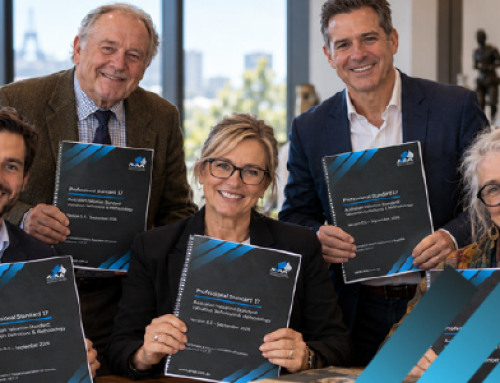
Those standards provide a structured framework that supports every stage of the valuation process. They address matters including minimum valuation report requirements, continuing professional development, professional indemnity insurance, conflicts of interest, engagement procedures, record keeping, complaints handling, cyber security, expert witness responsibilities and the ethical use of technology, including artificial intelligence.
Rather than relying solely on individual judgement, professional valuers with the CVAu credential operate within a recognised professional framework that promotes consistency, transparency and accountability. For art valuation, this creates a particularly powerful combination.
The technical assessment of an artwork remains essential. Questions surrounding attribution, authenticity, provenance, exhibition history, literature references, rarity, condition, restoration, market desirability and historical significance all contribute to understanding the asset being valued. The professional valuer with the CVAu credential then applies recognised valuation methodology to that technical assessment.
Professionals with the AVAA Certified Valuer (CVAu) credential identify the appropriate basis of value for the purpose of the engagement, analyse relevant market evidence, consider comparable sales, assess market conditions, explain assumptions and limitations, and produce a report that clearly sets out how the valuation opinion has been reached.
It is the synergy between specialist art expertise and disciplined valuation methodology that gives confidence in the final valuation. For clients, that confidence matters.
Whether engaging a valuer for insurance, estate planning, family law proceedings, taxation, charitable donations, asset management or collection reviews, clients increasingly seek professionals whose expertise extends beyond knowledge of art alone. They want assurance that the valuation has been prepared in accordance with recognised professional standards by someone who is accountable to an independent professional body. The AVAA Certified Valuer (CVAu) credential provides that assurance.
For art professionals who have built successful careers through experience and specialist knowledge, the CVAu credential offers something equally valuable. It provides independent recognition that their valuation work meets recognised professional expectations. It demonstrates a commitment to continual improvement, ethical practice and professional accountability. It also distinguishes them in an increasingly competitive marketplace where clients, institutions, insurers, legal practitioners and government agencies are placing greater emphasis on recognised professional credentials. As more organisations seek valuation reports that can withstand technical and legal scrutiny, the absence of a recognised valuation credential is likely to become an increasingly important consideration.
Those with the CVAu credential also benefit from belonging to Australia’s peak professional association representing valuers and auctioneers of goods, chattels and specialised assets. AVAA’s member-driven policy advocacy with parliamentary and departmental stakeholders on matters affecting the profession. From capital gains tax reform and professional standards to regulatory change and emerging technologies, AVAA works to ensure the expertise of professional valuers is recognised in public policy and legislative development. That advocacy strengthens not only the profession as a whole, but also the standing of every certified valuer who carries the CVAu credential.
Professional recognition has never been more important. For clients seeking an art valuer, the AVAA Certified Valuer (CVAu) credential provides confidence that the valuation has been prepared by a professional whose work is supported by recognised standards, ethical obligations and ongoing professional development. It provides assurance that the valuation has been prepared using accepted methodology by someone whose competence extends beyond the technical assessment of art to the disciplined practice of valuation. Professional valuers with the CVAu credential. can be found on the AVAA Member Directory.
For experienced art professionals who regularly undertake valuations, the AVAA Certified Valuer (CVAu) credential represents an opportunity to have that expertise recognised within a respected professional framework that reflects both technical excellence and valuation competence. In a market where clients increasingly seek qualified professionals they can rely upon, certification provides an important point of distinction.
Outstanding knowledge of art remains indispensable. The AVAA Certified Valuer (CVAu) credential demonstrates that this knowledge is supported by the professional valuation standards, methodology and accountability expected of Australia’s leading valuers.
.
.
Interested In Finding Out More?
If you’re interested in the AVAA Certified Valuer (CVAu) credential, send an email to certification@avaa.com.au or telephone 1300 928 165. You can also stay up to date by following AVAA on LinkedIn, X/Twitter and Facebook.
.