The market for Australian art occupies a distinctive position within the broader fine art sector. It is shaped not only by artistic merit and collector demand, but also by Australia’s cultural history, geographic isolation, institutional collecting patterns and relatively concentrated secondary market. For professional valuers operating in this environment, assessing Australian paintings and drawings requires a sophisticated understanding of local market behaviour, provenance, authenticity, condition and the reputational standing of artists across different collecting categories.
While internationally recognised names such as Sidney Nolan, Arthur Boyd, Brett Whiteley and John Olsen continue to underpin the upper levels of the market, significant activity also exists across colonial Australian art, modernist painting, contemporary Indigenous art, regional schools and works on paper. Market depth, however, varies considerably between categories. Some artists have a high auction frequency and extensive published references, while others trade only occasionally, creating valuation challenges when reliable comparable evidence is limited.
Professional valuation in this sector, therefore, extends well beyond reviewing recent auction prices. Australian art valuers are frequently required to interpret incomplete provenance histories, analyse changing collector sentiment and assess the broader cultural significance of a work within the context of Australian art history.
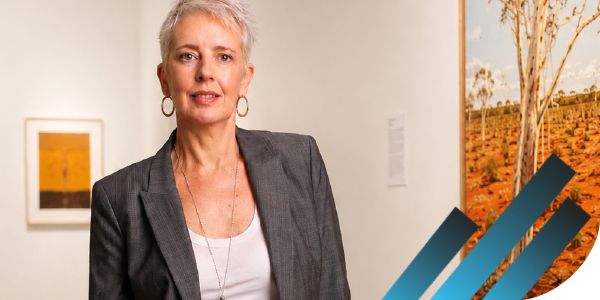
Catherine Asquith CVAu is a professional valuer of Australian art and says the discipline requires a combination of rigorous research and market understanding.
“Entering the valuing profession was a natural extension of my advisory services, having held an ongoing academic and professional interest in how the art market works. The Australian art valuation field intersects at the crossroads of research and market analysis, both of which I find intellectually stimulating,” Catherine says.
One of the defining issues affecting Australian art valuation is authenticity and attribution. Unlike some European markets with centuries of institutional documentation and catalogue raisonnés, Australia’s art market remains comparatively young. Documentation can be inconsistent, particularly for regional artists, early-twentieth-century painters, and privately held collections that may not have been publicly exhibited for decades.
Questions surrounding attribution are particularly important in the Australian market because values can vary dramatically with the certainty of authorship. Unsigned works, studio pieces, later reproductions and heavily restored paintings all require careful examination. In works on paper, differentiating between an original drawing, an artist-signed print and a later reproduction may substantially alter value outcomes.
The role of provenance is equally critical. Exhibition history, collection history and references in published literature can materially strengthen market confidence. Australian collectors and institutions place considerable importance on documented ownership histories, particularly for works by significant Indigenous artists and major twentieth-century painters. Auction records, gallery labels, old framing inscriptions and archival material often form part of the evidentiary process relied upon by valuers.
According to Ms Asquith, the professional methodology of Australian art depends upon disciplined analysis and consistency.
“Accurate valuations rely on comprehensive research, consistent methodology and careful analysis of market data, including provenance, condition, exhibition history and broader market conditions affecting the artist or category,” Catherine says
Condition assessment also remains a major consideration in the Australian market. Australia’s climate can be particularly challenging for paintings and drawings, especially where works have been stored in unstable environments or exposed to prolonged ultraviolet light. Paintings may exhibit cracking, lifting paint layers, warped supports or discoloured varnish, while drawings and watercolours often present foxing, fading, acid burn and staining. If the art has been located in Northern Australia, mould is sometimes an issue too.
Importantly, restoration is not automatically detrimental to value. The nature, quality, and reversibility of conservation treatment are usually more significant than the mere existence of restoration. Professional valuers, therefore, require sufficient technical understanding to recognise issues that may warrant specialist conservation advice before finalising valuation conclusions.
Australian art valuation is also heavily influenced by broader economic conditions and shifts in collector behaviour. Demand for major Australian modernists and significant Indigenous works has generally remained resilient, although secondary sectors can experience considerable fluctuations depending on economic confidence and discretionary spending trends. Institutional exhibitions, estate releases and major auction results frequently influence market momentum for particular artists or movements.
Because the Australian market is relatively concentrated, strategic timing of sales can also affect realised prices. Oversupply of works by a particular artist over a short period may put downward pressure on results, while scarcity can drive strong competitive bidding. Ms Asquith says long-term strategy and professional objectivity are essential when advising clients in this environment.
“One significant example involved advising a corporate collection on the strategic deaccession of works. Instead of recommending immediate sale, I developed a staged approach based on research to avoid saturating the market and to protect value,” Catherine says.
Importantly, valuation conclusions may vary depending on the report’s purpose. Insurance valuations, probate assessments, family law matters, taxation advice and litigation support each involve different considerations and valuation bases. Insurance replacement assessments, for example, may exceed expected auction realisations because they reflect the difficulty of replacement in the retail market rather than immediate secondary-market disposal.
Professional independence, therefore, remains fundamental to maintaining confidence in valuation outcomes. In a market where valuation conclusions can influence legal proceedings, taxation liabilities and substantial financial decisions, transparency and ethical conduct are critical.
Ms Asquith believes the professional standards published by the Auctioneers and Valuers Association of Australia (AVAA) and the AVAA Certified Valuer (CVAu) credential play an essential role in protecting both clients and the integrity of the valuation profession.
“Professional credentials and standards are essential for building public confidence in Australian Art market valuation. They set shared benchmarks for methodology, ethical behaviour, and accountability. In a market where valuations can affect legal, financial, and tax outcomes, consistency and transparency are crucial,” Catherine concluded,
As the Australian art market continues to evolve, the role of qualified valuers is becoming increasingly important. Whether assessing colonial landscapes, post-war abstraction, contemporary Indigenous painting or significant works on paper, valuation requires far more than familiarity with prices alone. It demands historical knowledge, technical expertise, disciplined research, and an informed understanding of the unique characteristics that shape Australia’s art market.
Catherine Asquith CVAu is speaking at the AVAA Restored Artwork Valuation Webinar that’s being held on 29 September 2026. Be sure to book your ticket for this event today.
…
.
.
Interested In Finding Out More?
If you’re interested in the AVAA Certified Valuer (CVAu) professional credential, send an email to certification@avaa.com.au or telephone 1300 928 165. You can also stay up to date by following AVAA on LinkedIn, X/Twitter and Facebook.
.