
Artificial intelligence (AI) is rapidly finding its way into valuation reports, but its use is far from a free-for-all. A professional standard now sets clear rules for how AI may be used, what must be disclosed and why the valuer remains personally responsible for every fact, judgement and conclusion in the final report.
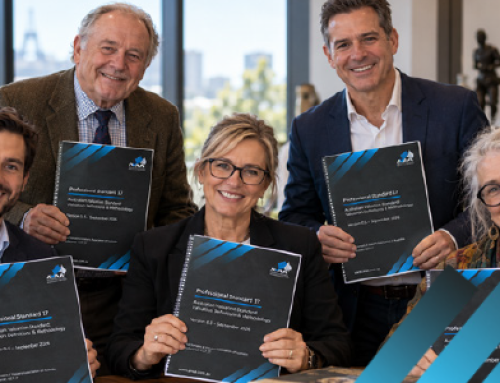
That framework is set out in AVAA Professional Standard 8 – Artificial Intelligence in the Preparation of Valuation Reports. Developed by the Auctioneers and Valuers Association of Australia (AVAA) following consultation with certified valuers and other stakeholders, it governs the responsible use of generative AI and AI-enabled tools.
The significance of AVAA Professional Standard 8 is that it applies to AVAA Certified Valuers (CVAu) and AVAA Corporate Members providing valuation services. It recognises the benefits of AI while making the central obligation clear: the valuer remains fully responsible for every fact, analysis, opinion and conclusion in the valuation report.
AI may help collect and organise market information, identify comparable sales, analyse historical prices, interpret images, assess market trends and draft sections of a report. The certified valuer must still determine whether the underlying evidence is credible, relevant and appropriate for the valuation assignment.
What The Standard On Artificial Intelligence Requires —
AVAA Professional Standard 8 governs how certified valuers use AI in valuation reports. It requires the certified valuer to understand AI methods, assess inputs, independently verify outputs, disclose material use, protect confidential information and retain appropriate records. AI may support research, analysis, modelling and drafting, but the valuer remains responsible for every statement, professional judgement and final valuation conclusion contained in the valuation report.
Where an AI-enabled model is used, the certified valuer must understand its methodology, assess the suitability of its inputs and critically interpret its outputs. Automated results cannot be adopted without independent professional assessment and verification. Before a valuation report is issued, all AI-generated information, analysis and narrative must be reviewed and approved. Anything inaccurate, generic, misleading or unsupported must be corrected or removed.
The Standard also requires transparency. Where AI has materially assisted with research, analysis, interpretation, drafting, commentary or conclusions, its use should be disclosed in the valuation report. Routine assistance with spelling, grammar, formatting or administrative tasks will generally be incidental. Where materiality is uncertain, disclosure is encouraged.
Confidentiality remains essential. Client-identifiable, commercially sensitive or confidential information must not be entered into publicly accessible AI systems where security, storage or subsequent use cannot be assured. Valuers should favour secure organisational systems and keep records of the technology used, its purpose and the steps taken to verify its output.
These requirements apply across the diverse assets valued by certified valuers, including across fine art and antiques, memorabilia and collectables, jewellery, household items, motor vehicles, aviation and marine assets, through to plant and equipment.
The Importance Of Using A Certified Valuer —
Using an AVAA Certified Valuers (CVAu) means choosing a professional whose work is governed by published standards. A professional with the respected CVAu credential must apply independent judgement, rely on credible evidence, clearly explain the valuation and remain accountable for its conclusions. Where AI assists, its output must be scrutinised and material use disclosed. This provides clients, courts, insurers and advisers with greater transparency, reliability and confidence in the valuation report.
Helpfully, AVAA Professional Standard 8 complements AVAA Professional Standard 6 – Minimum Valuation Report Requirements which sets the minimum requirements for valuation reports, including clear identification of the client, purpose, asset, valuation basis, evidence, assumptions, results and valuer.
Together, the Standards ensure that technology supports professional practice while responsibility stays with an identifiable, qualified valuer. For clients, courts, insurers and advisers, the respected CVAu credential provides confidence that AI-assisted work has been independently tested, transparently disclosed and backed by professional judgement.
.
.
Interested In Finding Out More?
If you’d like more information on this issue, send an email to standards@avaa.com.au or telephone 1300 928 165. You can also stay up to date by following AVAA on LinkedIn, X/Twitter and Facebook.
.